
Whoa! Okay, so check this out—Phantom moved fast and felt familiar from day one. I downloaded the extension, set up a wallet, and within minutes I was poking at NFTs, somethin’ like that. My instinct said this would be surprisingly smooth and quick. What surprised me wasn’t just the UI polish but how the extension handled token approvals and popup management when multiple dapps asked for permission simultaneously.
Hmm… At first I thought Phantom was just another wallet. Then I remembered how many Solana-native features it supports, like SPL tokens, staking hints, and integrated swaps. That matters for collectors and traders who don’t want to jump between apps. I’m biased, but that ecosystem fit felt natural.
Wow! The download process through the Chrome web store is straightforward, but double-check the origin. If you prefer a direct link, I often point people to a clean landing page for the extension. Okay, so check the URL and the publisher before you add the extension—security first.
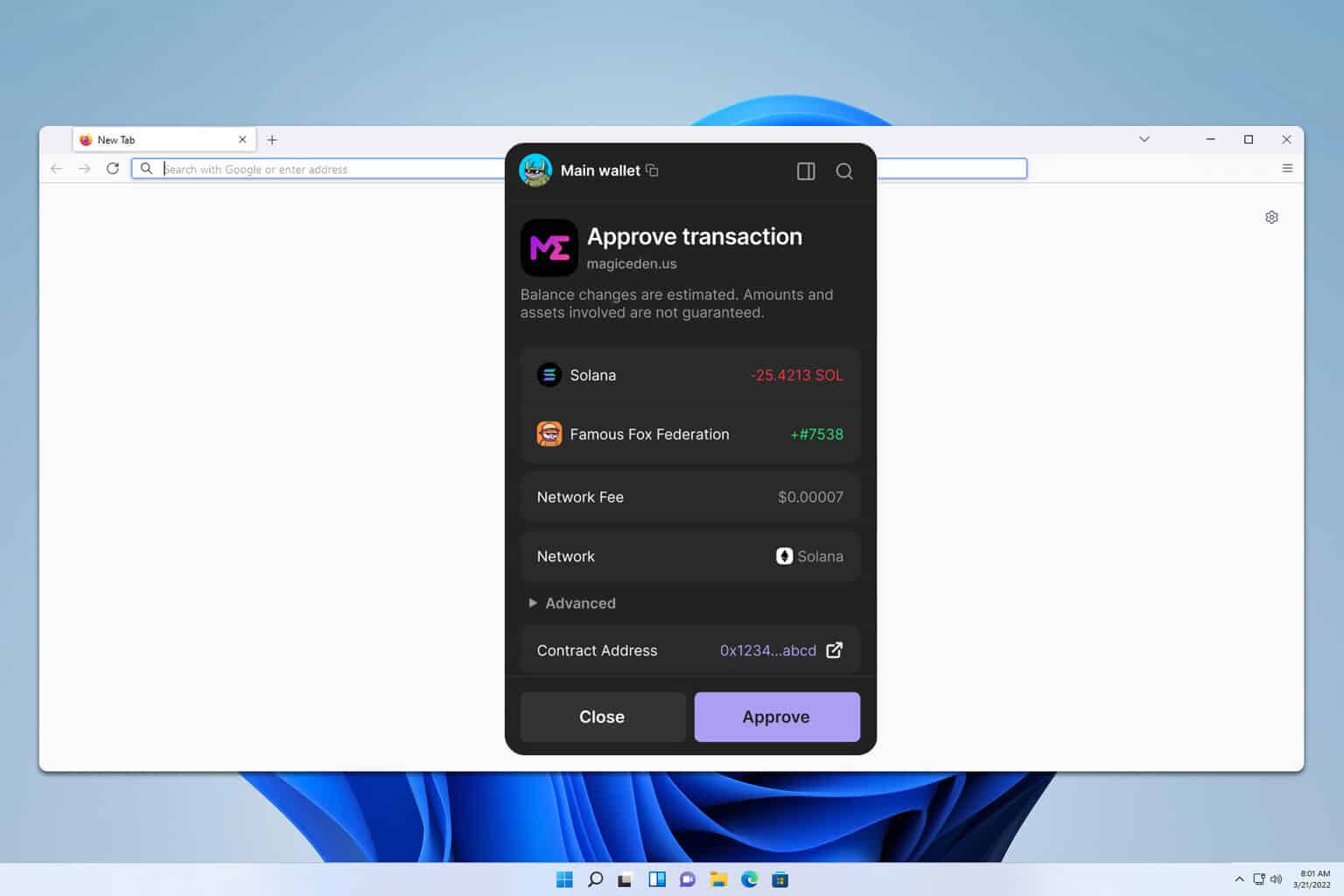
Really? I also tested it on Brave and Edge, since a lot of US users mix browsers. Works pretty much the same. The wallet prompts look identical and the key management is local to your device. One detail bugs me though—the network selector can be confusing for newbies.
Something felt off about that at first. Initially I thought it was minor, but then noticed people accidentally switching to testnet during drops. On one hand it’s great for devs. On the other hand, beginners lose real opportunities when they’re on the wrong cluster. So I started making a quick checklist for friends before minting.
Here’s the thing. Backup the 12-word phrase and store it offline in two separate places. Don’t screenshot it. Consider a hardware wallet for sizable collections or frequent high-value trades. Also, toggle auto-approve carefully, because convenience equals risk if you don’t watch approvals closely.
Hmm… Phantom’s built-in NFT gallery is where my heart leans, especially for quick previews. I clicked into a Solana drop and the artwork previewed instantly, metadata included. That smoothness matters during a live mint when speed and clarity save you money. But sometimes thumbnail caching acts weird.
Actually, wait—let me rephrase that… I’m not 100% sure, but I suspect it’s a caching race-condition. On one hand performance is fast; though actually some cards reload multiple times. My workaround was clearing cache and restarting. Keep your Phantom extension updated and monitor the changelog for fixes.
Where I tell people to download the extension
If you want a single, easy-to-share place I trust for the Phantom extension, I point folks here: https://sites.google.com/cryptowalletextensionus.com/phantomwalletdownloadextension/ —check the publisher and read reviews first, and never paste your seed into a site.
Okay, so some practical tips that cut through the noise: set a clear name for each account, label your NFT wallets, and create separate accounts for minting, collecting, and spending. That separation saves headaches when you’re juggling gas-free drops and marketplace listings. Oh, and by the way, disable auto-sign for unknown dapps—very very important.
Small tangents: I’m biased toward speed, so UI responsiveness matters more to me than bells and whistles. This part bugs me when teams prioritize features over stability. Still, Phantom hits a sweet spot for most Solana users. The extension’s permission prompts are readable, and the recent UI tweaks improved clarity.
For power users, the developer tools and support for hardware wallets are key. If you’re moving big pieces—NFTs worth real money—pair Phantom with a Ledger or similar device. It adds friction, sure, but that friction often prevents catastrophic mistakes. Somethin’ about that extra step gives you breathing room.
Community support is another angle. Phantom’s Discord and Twitter tend to surface issues quickly. When airdrops misbehave, folks post reproducible steps and someone often files a ticket. On one hand this crowdsourced debugging is helpful; on the other hand, it can be noisy and full of guesswork.
My instinct said Phantom would stay simple, but the team keeps expanding features—wallet connect improvements, NFT viewing, swap integrations—so complexity creeps in. Initially I worried they’d overcomplicate the UX. Actually, they balanced additions with helpful tooltips, though I still see occasional usability regressions.
Here’s a brief real-world scenario: during a hyped Solana mint, you need three things aligned—correct network, enough SOL, and an unlocked wallet popup. Miss one and you miss the mint. That triage is exactly why practice runs on testnet matter, even if they feel silly at first. Practice saves you from panic.
I’m not 100% certain about everything here, and some of my impressions are colored by the wallets I’ve used before. But from a practical perspective, Phantom is an excellent browser extension for NFT collectors who care about speed and a polished interface. There are quirks, yes, but these are manageable.
Common questions
Is Phantom safe for NFTs?
Yes, when you follow best practices: store seed phrases offline, use hardware wallets for high-value items, and verify extension sources before installing. Also double-check cluster selection before minting.
Can I use Phantom across different browsers?
Absolutely. Chrome, Brave, and Edge work similarly. Just install the extension from a trusted source and export/import your wallet phrase carefully if moving between browsers.